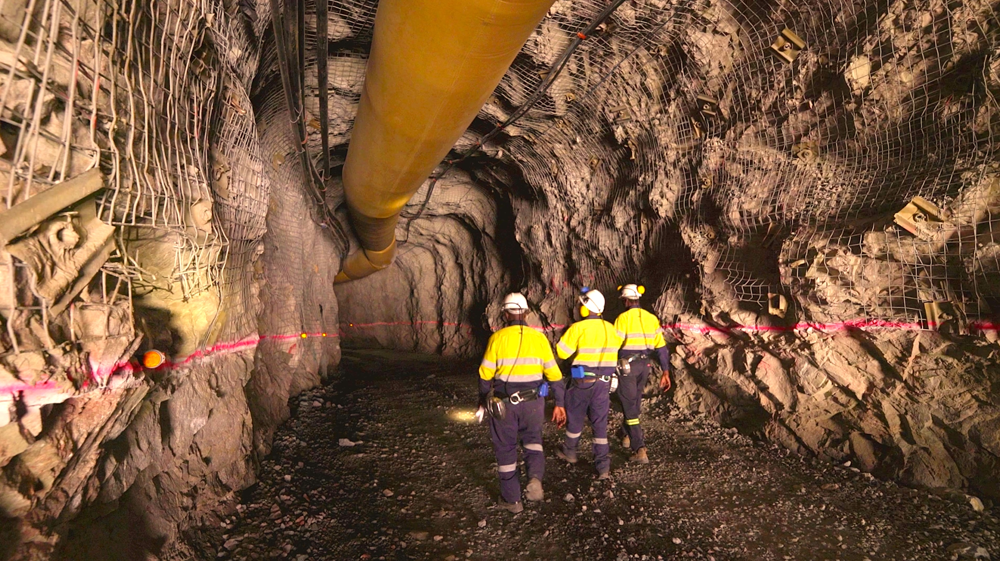
Safety is the number one priority in the underground mining industry – above production targets, throughput, or profits. Ask anyone in mining what matters most and you’ll get the same answer: everyone goes home safe. The concept of “zero-harm” has become a guiding vision across Australian mines, reflecting an aspiration to eliminate injuries and fatalities entirely. But what does it take to build a zero-harm safety culture deep underground? This article shines a spotlight on practical steps to foster a culture where safety is truly ingrained in every task and decision.
Why Zero Harm Matters in Mining
Mining remains one of the most hazardous occupations, with risks like rockfalls, equipment collisions, gas explosions, and more. Over the past few decades, the Australian mining sector’s focus on safety has dramatically reduced accidents, cutting annual mining fatalities from 33 in 1997 to just 2 in 2013 (Source: boomerangengineering.com.au). This progress shows that a strong safety culture isn’t just corporate rhetoric – it saves lives. A “zero harm” mindset, adopted by many leading companies and industry bodies, means no injury is acceptable and every incident is preventable. While reaching zero may be challenging, striving for it drives continuous improvement. PeakCPM Services, for example, maintains an unwavering commitment to safety and regulatory compliance, keeping a zero-harm mindset while meeting all industry standards. In an underground mine, where workers face confined spaces and unforgiving conditions, this commitment is non-negotiable.
Leadership and Worker Empowerment
Building a safety-first culture starts at the top. Visible commitment from management – through actions, not just words – sets the tone. Leaders must actively promote safe practices, invest in safety training, and never prioritize production at the expense of safety. Equally important is empowering every worker, from jumbo operator to fitter, to speak up and stop work if something is unsafe. A true zero-harm culture treats safety as everyone’s responsibility. This involves encouraging open communication about near-misses and hazards without fear of blame. As one industry perspective notes, “blame fixes nothing” – instead, companies should learn from mistakes and near-misses to prevent future incidents. When crews feel confident that management listens and will address safety concerns, they become active participants in improving site safety.
Practices to Ingrain Safety Daily
Making safety a day-to-day habit requires structured practices. Comprehensive training and refreshers ensure all personnel know the latest safety procedures, emergency responses, and hazard awareness techniques. Regular safety meetings and toolbox talks help reinforce standards and share lessons learned. Many mines implement behavior-based safety programs, where workers observe each other (respectfully) and provide feedback or praise for safe behavior. Robust risk management is another pillar: before any task, teams identify potential hazards and put controls in place (such as ground support, ventilation, or lock-out procedures for equipment maintenance). Strict compliance with regulations is the baseline, but leading operations go further – adopting new technologies like proximity detection, fatigue monitoring, and automation to remove people from high-risk situations. The goal is a proactive approach where risks are anticipated and engineered out wherever possible. Importantly, when incidents or close calls do occur, they are investigated for root causes and the findings are used to strengthen safety measures, rather than to punish individuals who reported them.
Conclusion: Safety as a Core Value
Fostering a zero-harm culture in underground mining requires relentless focus and genuine care. It’s built through leadership commitment, empowered employees, and daily diligence in following best practices. Over time, safety becomes not just a priority but a core value – “the way we do things here.” A strong safety culture doesn’t hinder performance; in fact, safe operations are more efficient and reliable. Mines with fewer accidents often have less downtime and better morale, which boosts productivity in the long run. By building a culture where every person feels responsible for their mates’ well-being, underground mines can move closer to the ultimate goal of zero harm. PeakCPM Services embodies this ethos, led by field experience and driven by results, never forgetting that the best result of all is every worker returning home safely each day.